
Learning by Design: How We Use Post-Occupancy Evaluations to Strengthen Student Housing
Learning by Design: How We Use Post-Occupancy Evaluations to Strengthen Student Housing
At DiMella Shaffer, designing student housing is more than just getting a building built; it’s about creating environments that support students’ daily lives and enhance the campus experience. Our work doesn’t end on move-in day. We believe great design means listening to those who live in and use these spaces and applying what we learn to make future projects even better.
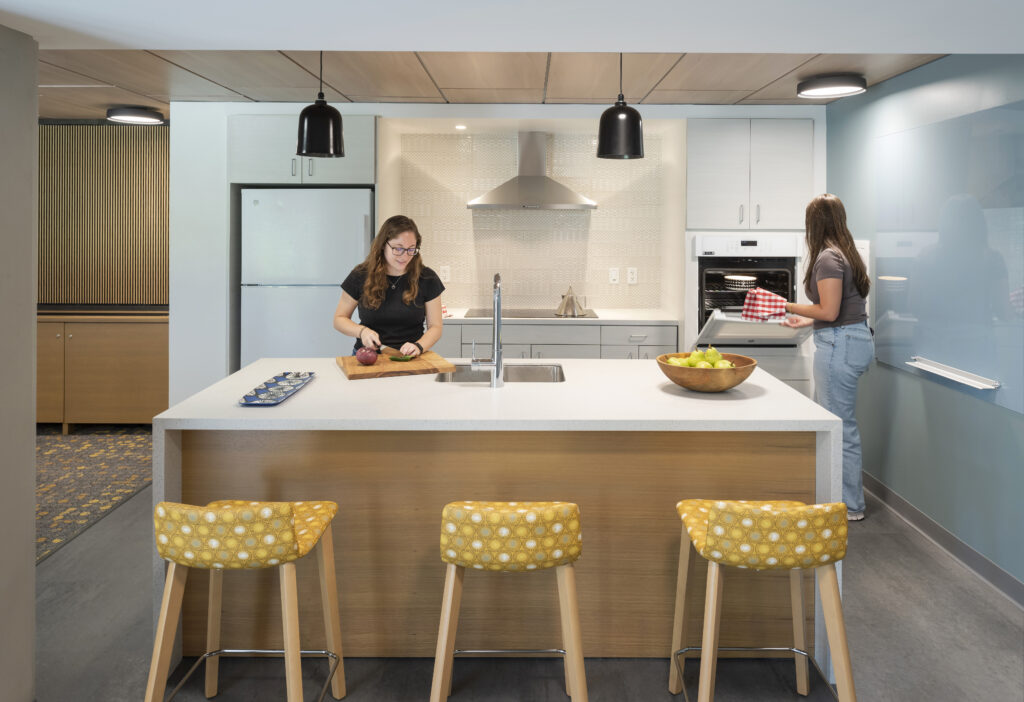
It’s critical to ensure buildings are well-constructed and to understand how they’re used. As part of our design process, we seek feedback from occupants on how the building design impacts them and how they experience the spaces, which sometimes can be in ways we hadn’t anticipated. The best way we’ve found to capture and document this feedback is through structured post-occupancy evaluations (POEs), a key part of our approach.
Why Post-Occupancy Evaluations Matter
As part of our commitment to design excellence, we want to know how students actually experience the residence halls we design. What’s working well? What could be improved? Are the new common areas being used as intended? Are students comfortable in their rooms?
The goal of a POE is to ask these questions in a way that encourages honest, anonymous feedback — and to turn that feedback into insights that help guide future design decisions. We collaborate with our institutional clients to shape the surveys around what matters most to them, whether it’s a specific space, a new type of amenity, or overall satisfaction.
Our Approach
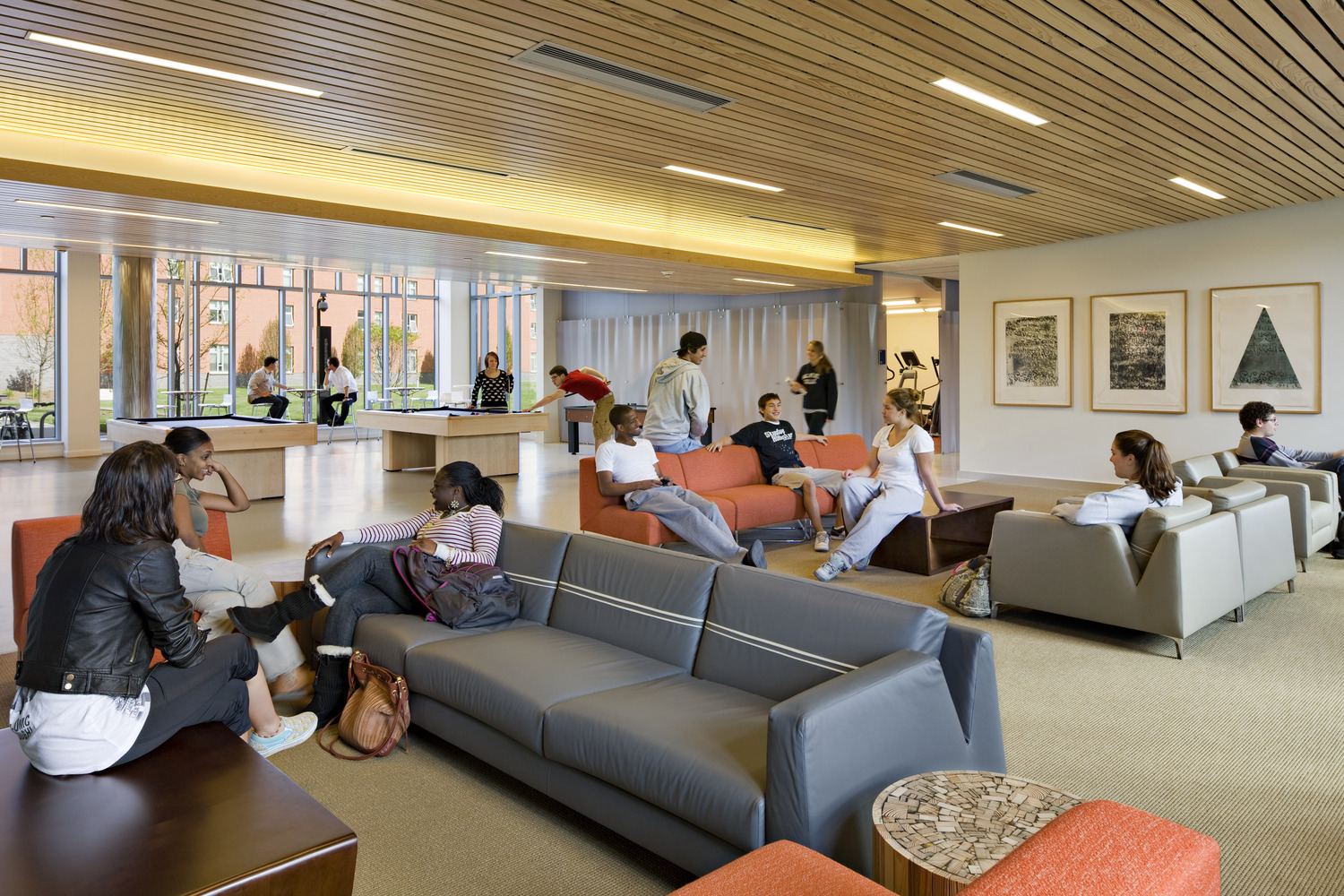
We’ve developed a framework using a Likert Scale, a common survey format, that gives clients a clear picture of how the building is performing from the students’ perspective. The surveys include a mix of multiple-choice and open-ended questions and typically cover topics like:
-
- Living configurations
- Bathrooms and lounges
- Acoustics and lighting
- Thermal comfort and ventilation
- Amenity spaces and overall design satisfaction
Clients participate in shaping the questions so they can dig into the area’s most relevant to their goals. Responses are anonymous, and we never have access to student contact information.
Once responses are collected (usually over a 2-to-3-week period), we compile the data into a summary report and review it together with the client. These conversations often lead to small adjustments, broader insights, or even inspiration for how to approach future projects.
What We’ve Learned
Every POE gives us valuable information — not just about one building, but about student life more broadly. Some patterns we’ve seen across several residence halls include:
-
-
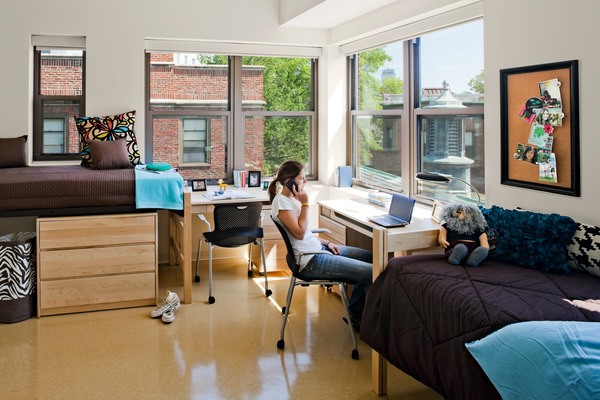
- Students don’t just live in their rooms: Most spend less than half their time in their sleeping space, which reinforces the importance of investing in lounges, study areas, and shared spaces.
- Design makes a difference: Students regularly comment on how the building’s design affects how they feel. In our surveys, a majority express satisfaction with the overall design of their residence hall.
- Basic services matter: Laundry rooms, dining areas, and other day-to-day spaces often get the most consistent praise, a good reminder of how important it is to get the fundamentals right.
- Flexibility in lighting, air temperature and acoustics matters: Students appreciate environments where they can control their own light levels, windows are operational, and where noise is well managed.
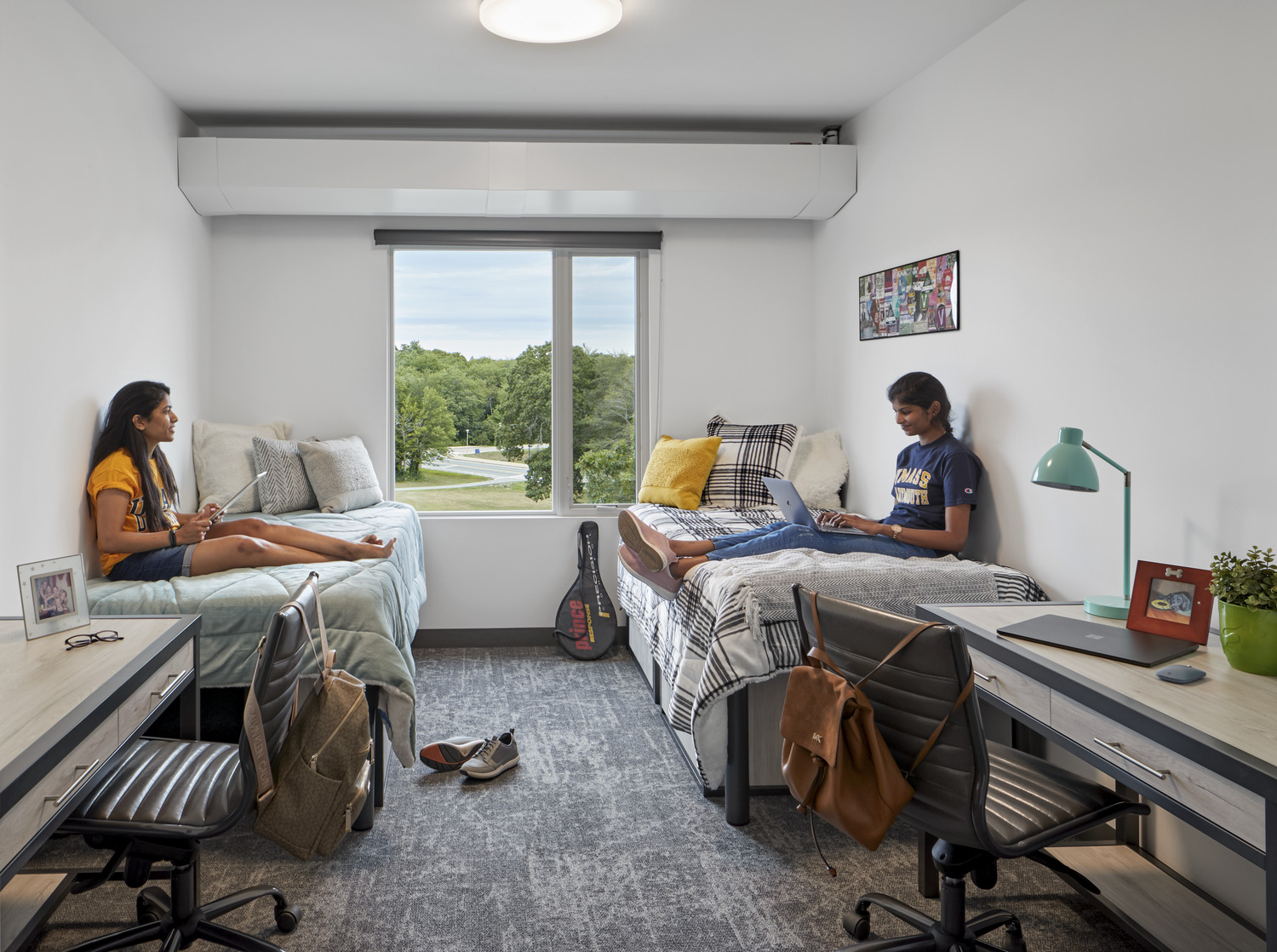
- Room size does influence perception: Rooms designed with minimal square footage tend to receive more critical feedback, especially around comfort and usability.
- Cleanliness-related feedback is often more about operations than design, but it can still point to useful design considerations — like trash bin placement or ease of maintenance.
-
Why This Matters for Clients
 For our clients, POEs offer a direct connection between the design vision, program and student experience. The results can affirm design decisions, uncover opportunities for operational adjustments, and provide helpful data to inform future planning or justify future investment.
At DiMella Shaffer, we value this process not only because it helps improve our work, but because it reinforces our commitment to the long-term success of the institutions we serve. We’re not just handing over drawings — we’re helping our clients learn from their buildings and use that knowledge to shape what’s next.