
A New Era of Imagining Architecture: Designing at the Speed of Thought
A New Era of Imagining Architecture: Designing at the Speed of Thought
AI hasn’t replaced our creativity. It has removed the friction that once constrained it. Here’s how diffusion models are reshaping the way we think, iterate, and design.
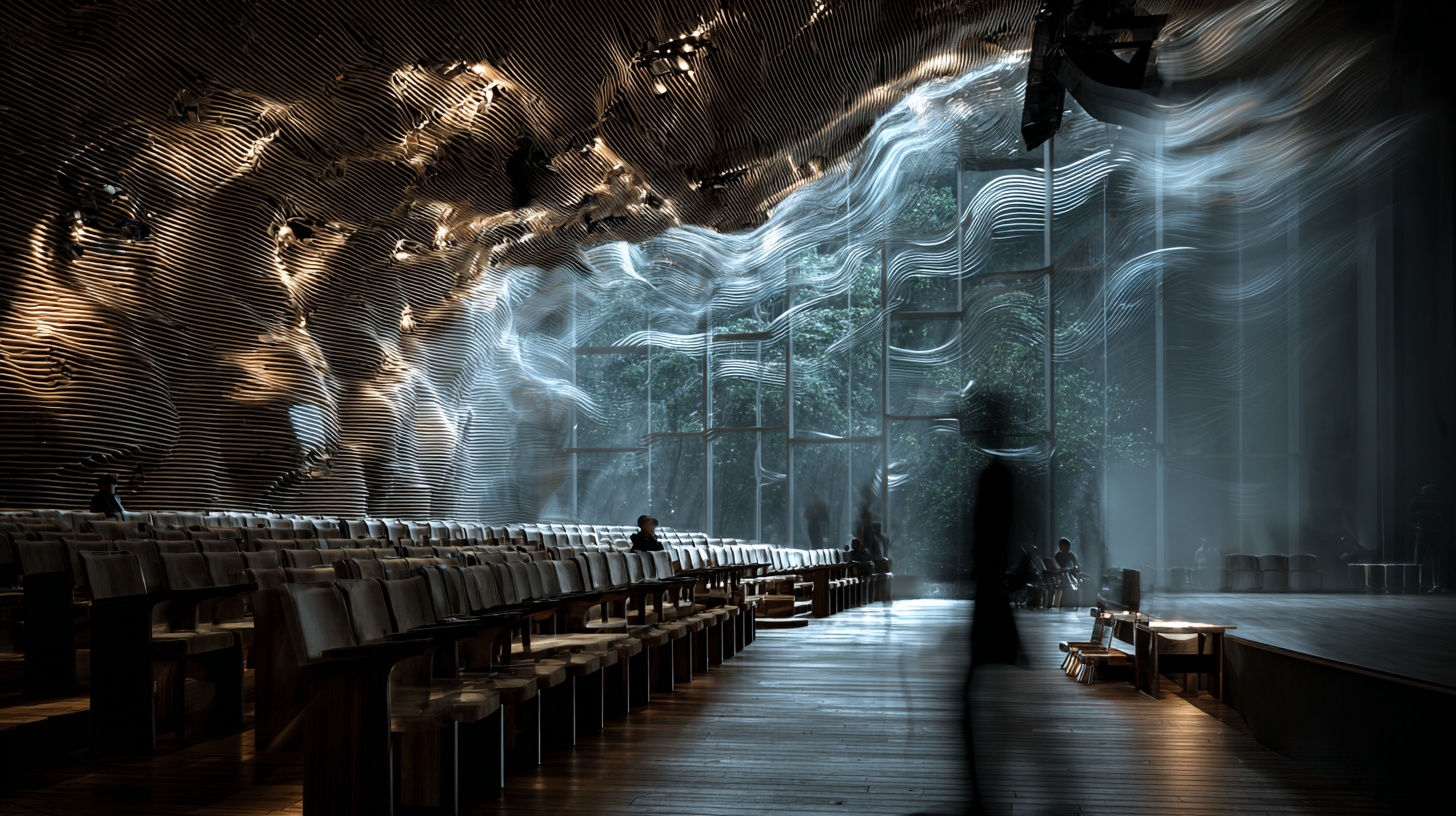
THE NEW DIFFUSION ALCHEMY: How AI is Transforming the Design Process
For most of my career, turning an idea into a visible architectural proposition was labor-intensive — weeks of researching, sketching, drafting, 3D modeling, rendering, and refining by a small team before a concept could even be discussed seriously. That traditional design process shaped not only what we designed, but how much we were willing to imagine. Today, these constraints are dissolving. With the emergence of AI-driven diffusion models such as Midjourney and Nano Banana, ideas that once lived only in sketchbooks or conversations can now be visualized in minutes. The AI era has made possible a new design process that is more akin to alchemy. Using AI models, designers can break down architectural typologies and styles into their ideal elements and then recombine them to create novel forms that haven’t existed until now.
This shift is not simply about efficiency; it is a fundamental transformation of the conceptual design process itself. By collapsing the gap between idea and image, AI allows us to think more spatially, iteratively, and experimentally at a pace that feels closer to human thought than traditional architectural production.
The traditional design process shaped not only what we designed, but how much we were willing to imagine.
Reimagining a futuristic urban café pavilion by blending Art Nouveau style with modern composite materials. (Midjourney + Nano Banana)
AI Diffusion Models as Imagination Engines
AI diffusion models operate as probabilistic, generative systems, capable of recombining vast bodies of visual knowledge into outcomes that are both familiar and unexpected. When guided by clear design intent, they become powerful imagination engines—tools that allow us to test ideas freely, without the friction that traditionally slowed early exploration. By collapsing the gap between concept and visualization, these models enable designers to see half-formed thoughts materialize almost immediately, long before they would have justified the effort of modeling or rendering. This fundamentally shifts our design mindset. No longer do we wait days—or weeks—for an idea to become visible; instead, we can engage in rapid cycles of hypothesis, visualization, and reflection. High-quality images generated in seconds encourage experimentation without fear of sunk cost, even under tight deadlines, allowing design energy to flow toward discovery rather than production. This expands not just our workflows, but the boundaries of our imagination.

Experimenting with an early concept for a research building.

Experimenting with a concept for a community center and visualizing how it will fit in the site.
Efficiency as Creative Liberation
A common concern around AI in architectural practice is that increased efficiency will erode creative agency, that speed will flatten nuance, and automation will narrow rather than expand design thinking. In reality, the opposite is often true. When early concept visualization requires weeks within a traditional workflow, designers inevitably self-censor. Faced with deadlines, we gravitate toward the path of least resistance, avoiding challenges to early assumptions and defending flawed concepts simply because of the time already invested. The cost of change becomes a deterrent to exploration. This happens a lot!
When visualization takes only minutes, the constraints on the designer’s imagination are erased. Design teams are freed to focus on higher-value work: critical thinking, spatial reasoning, and experiential intent. We can test more radical ideas, iterate with less penalty, and pair visual exploration with parametric and simulation-based tools that evaluate biophilic performance—daylight penetration, views to nature, material tactility, airflow, thermal comfort, and patterns of movement informed by natural systems. AI-assisted visualization allows these complex, often non-orthogonal forms and spatial relationships to be seen and understood early, rather than simplified or deferred due to representational limits.
This shift enables us to spend more time asking how a space will feel and how it supports human well-being, rather than focusing solely on how it appears in a rendering. This gives rise to a more divergent and exploratory design process and relieves any pressure on designers to converge on a single solution prematurely.
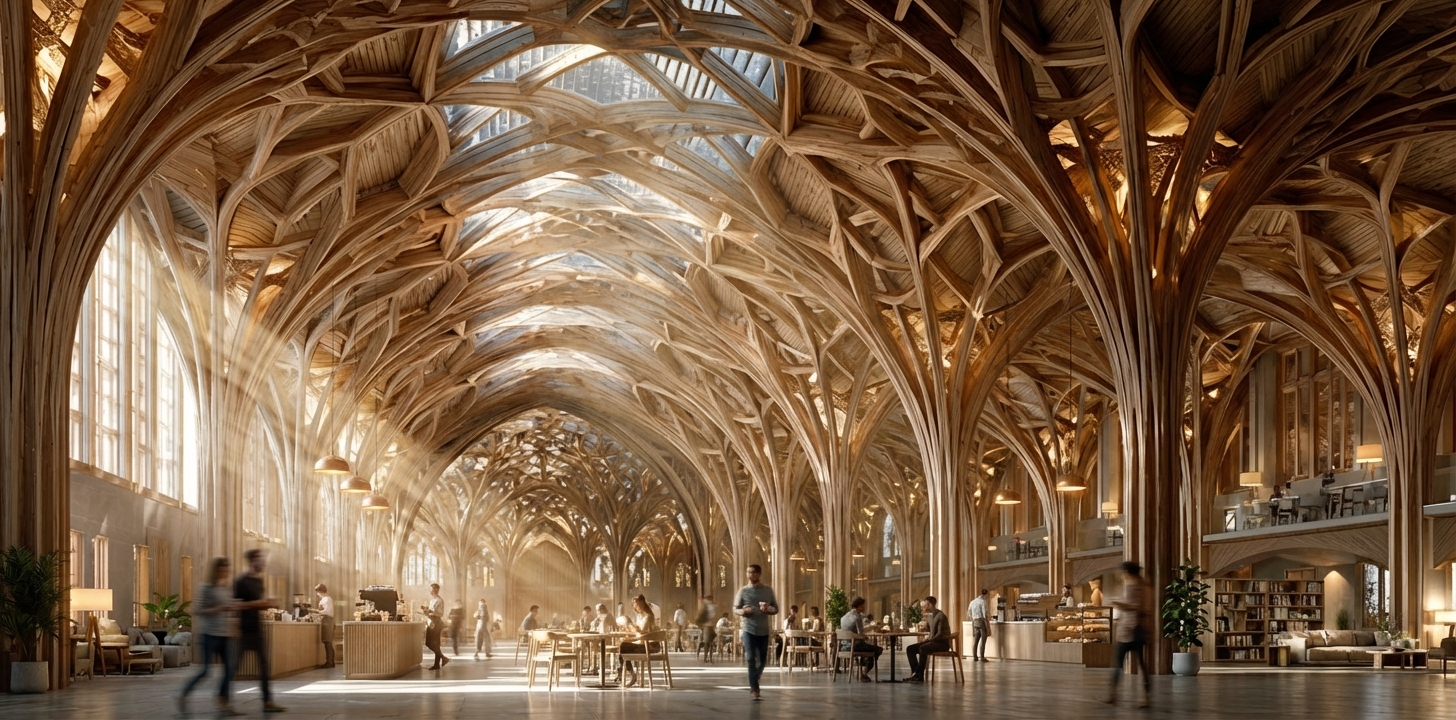 Experimenting with timber fan vault structure.
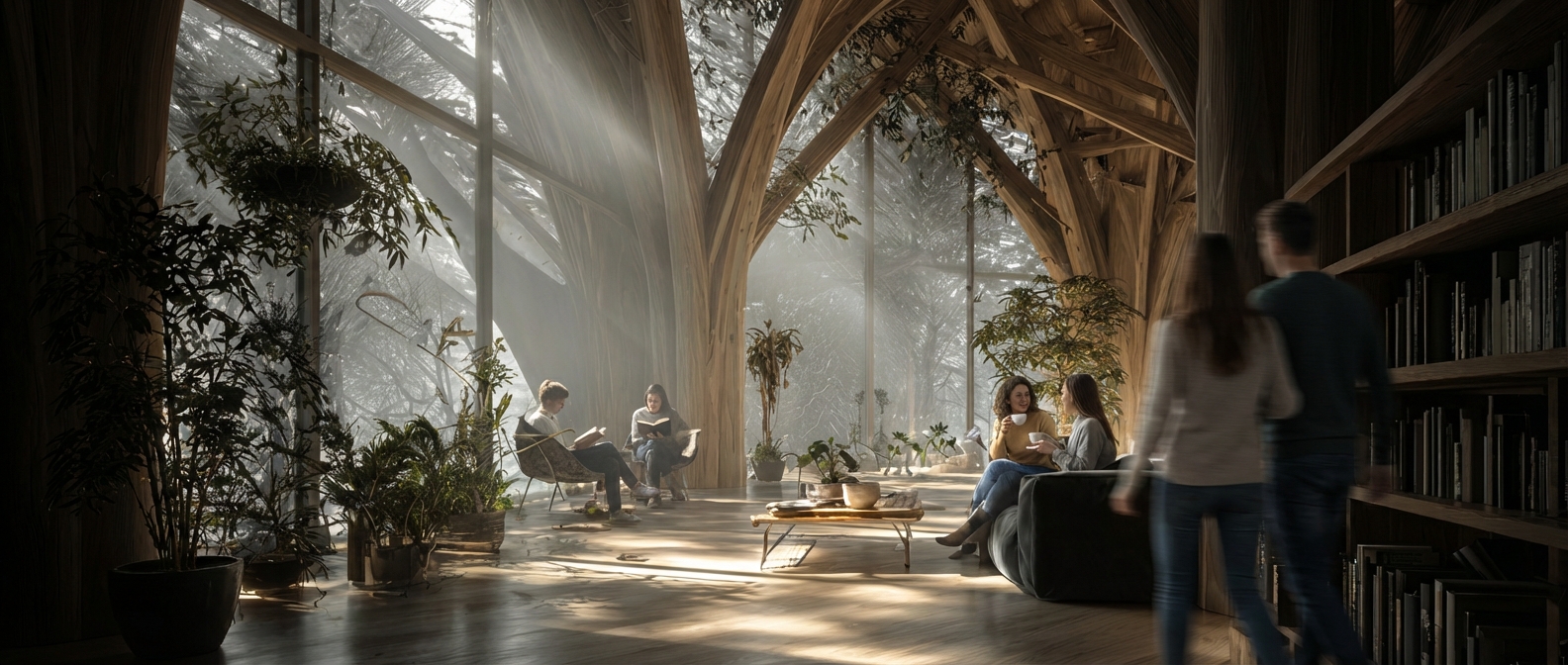 Experimenting with biophilic design elements for a reading lounge.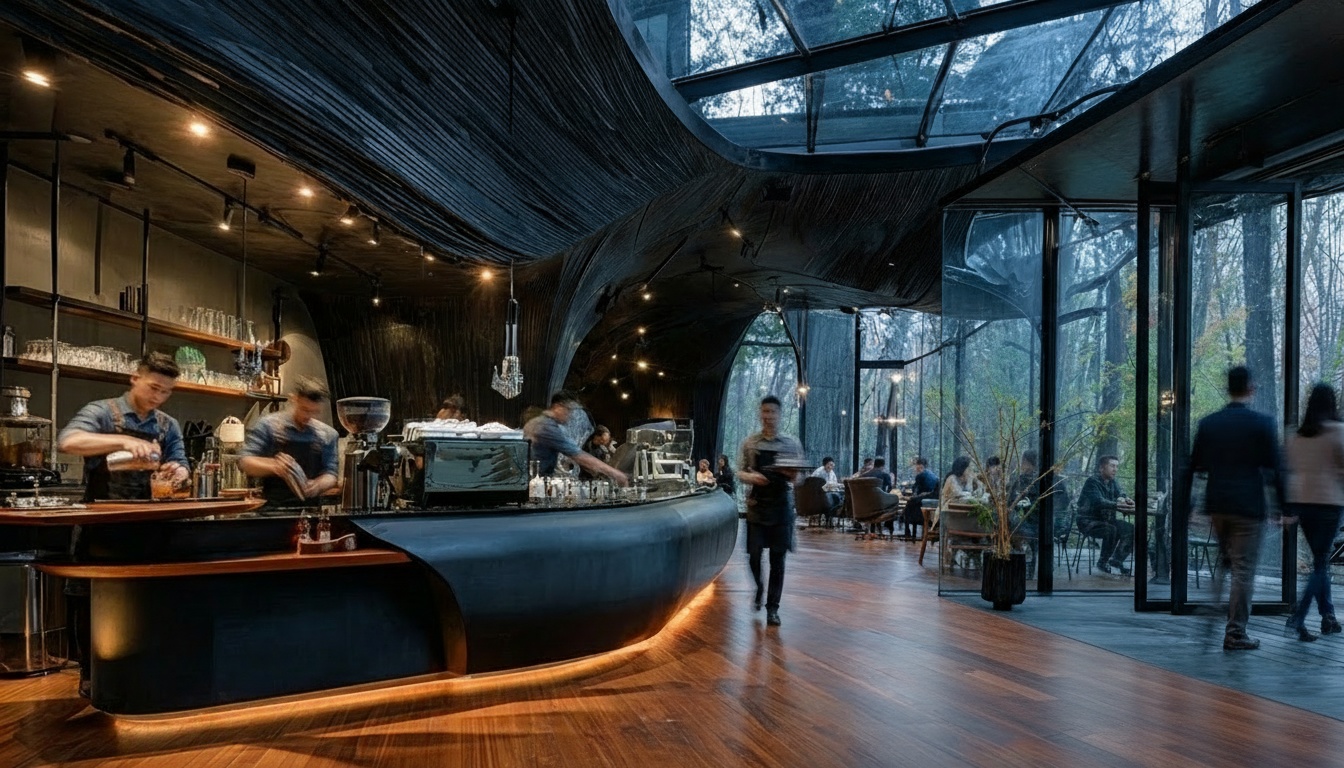
Experimenting with biophilic forms for a restaurant.
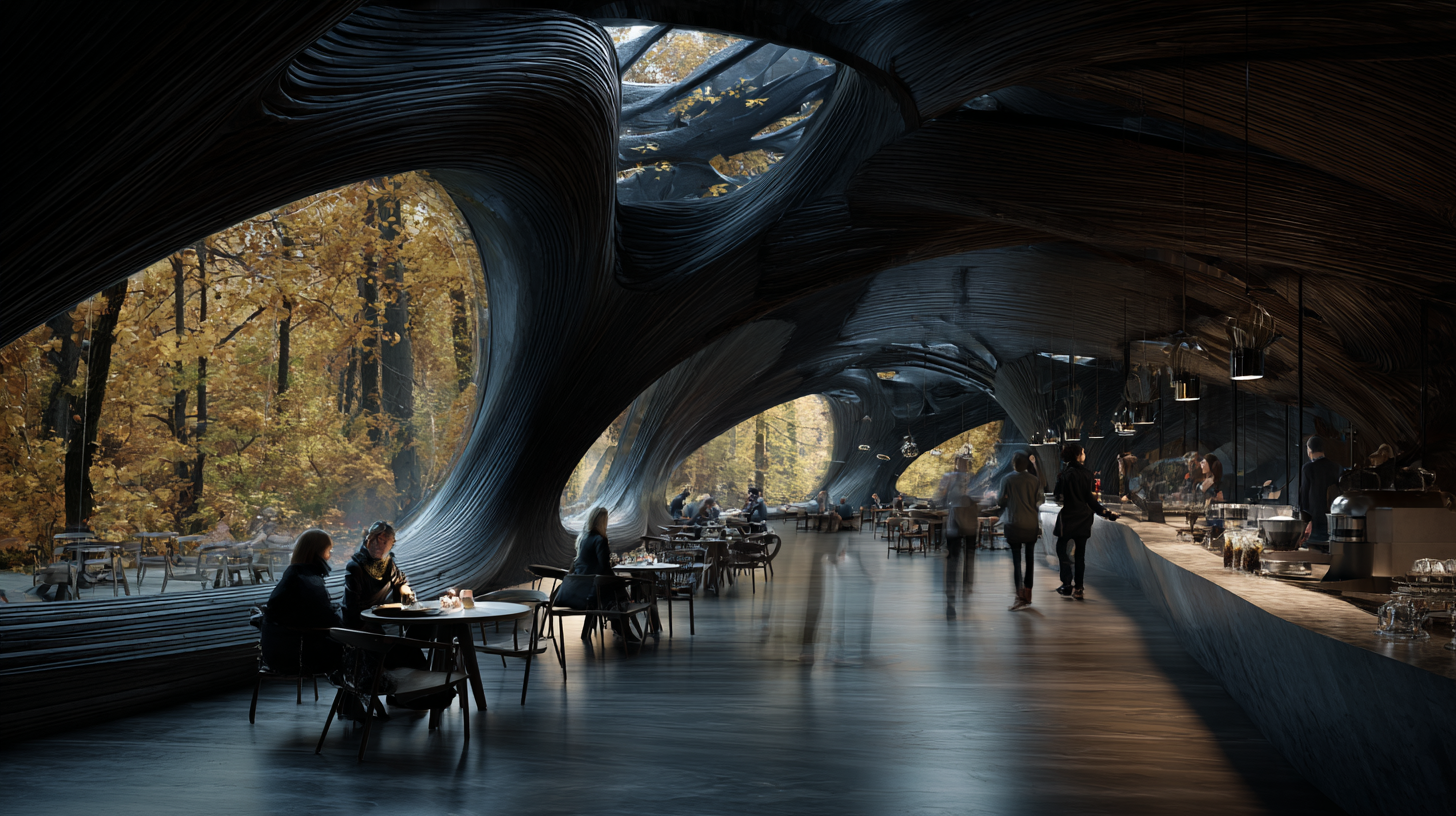
Experimenting with biophilic forms for a cafe.
Forms and Typologies Transmutation – Architectural Alchemy
Where diffusion-driven AI alchemy truly emerges is in our newfound ability to hybridize— blending architectural typologies, design languages, and planning logics into spatial propositions that resist conventional categorization. In this expanded design space, a building no longer needs to belong cleanly to a single type; instead, it can evolve as a composite system, shaped by multiple influences at once. This approach draws a similarity to biomimicry, where nature never operates within fixed typologies. Natural systems overlap, adapt, mutate, and co-evolve, producing forms that are both efficient and deeply responsive to their environment. In the same way that life forms draw from climate, terrain, available resources, and ecological relationships, architecture should emerge from its geographic, environmental, and cultural context.
AI diffusion models allow designers to engage with form-giving through rapid cycles of variation, selection, and refinement, revealing unexpected spatial configurations that would be difficult to arrive at through linear design methods alone. By mutating structures, environmental patterns, cultural cues, and architectural precedents together, we can explore architectures that feel simultaneously unfamiliar and intuitive—speculative yet grounded in place and human experience. In this sense, AI does not dictate form; it accelerates an evolutionary process in which designers act as curators and cinematic storytellers, guiding emergent possibilities toward buildings that belong to their environment, resonate culturally, and deepen our connection to the natural world.
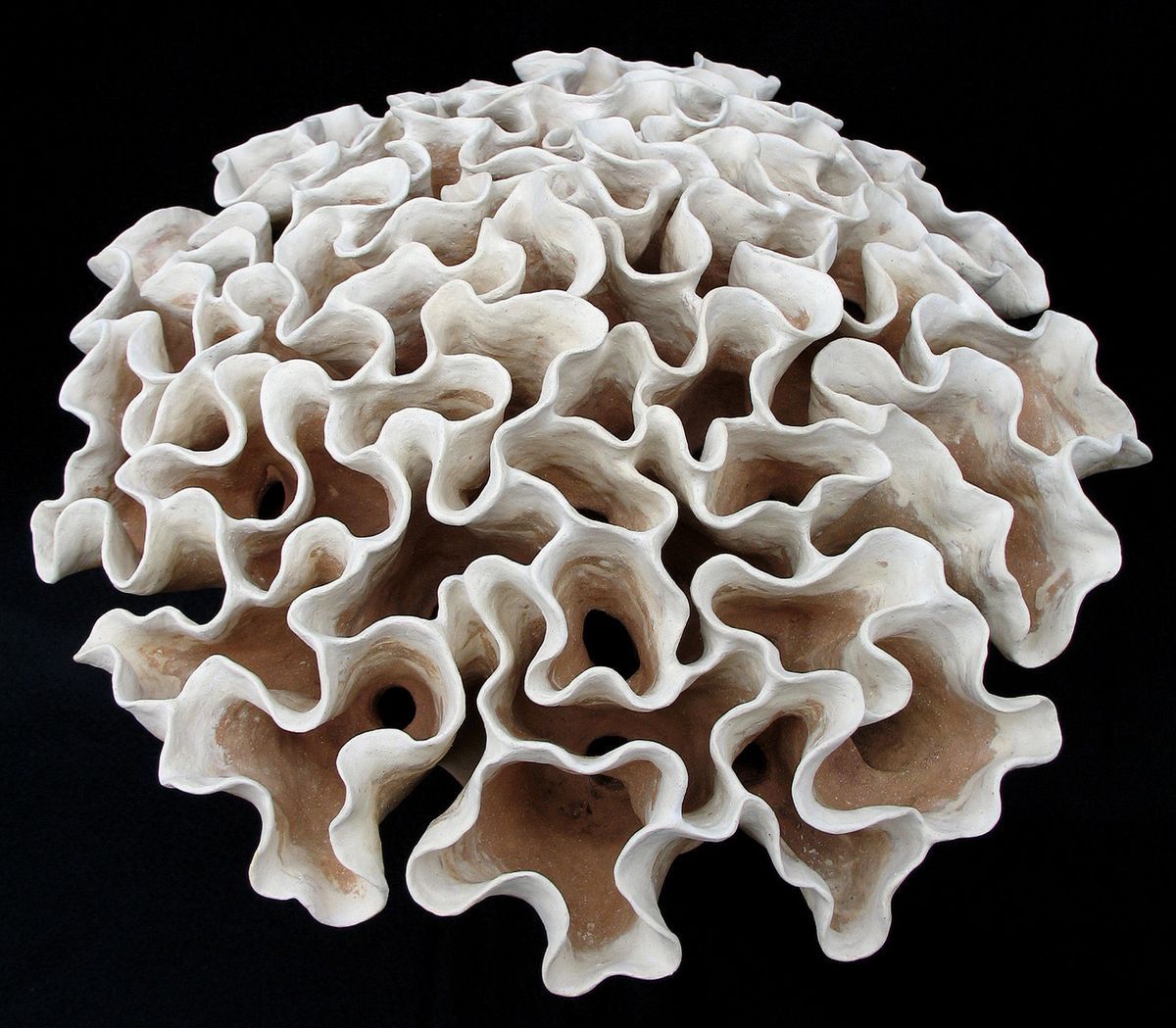
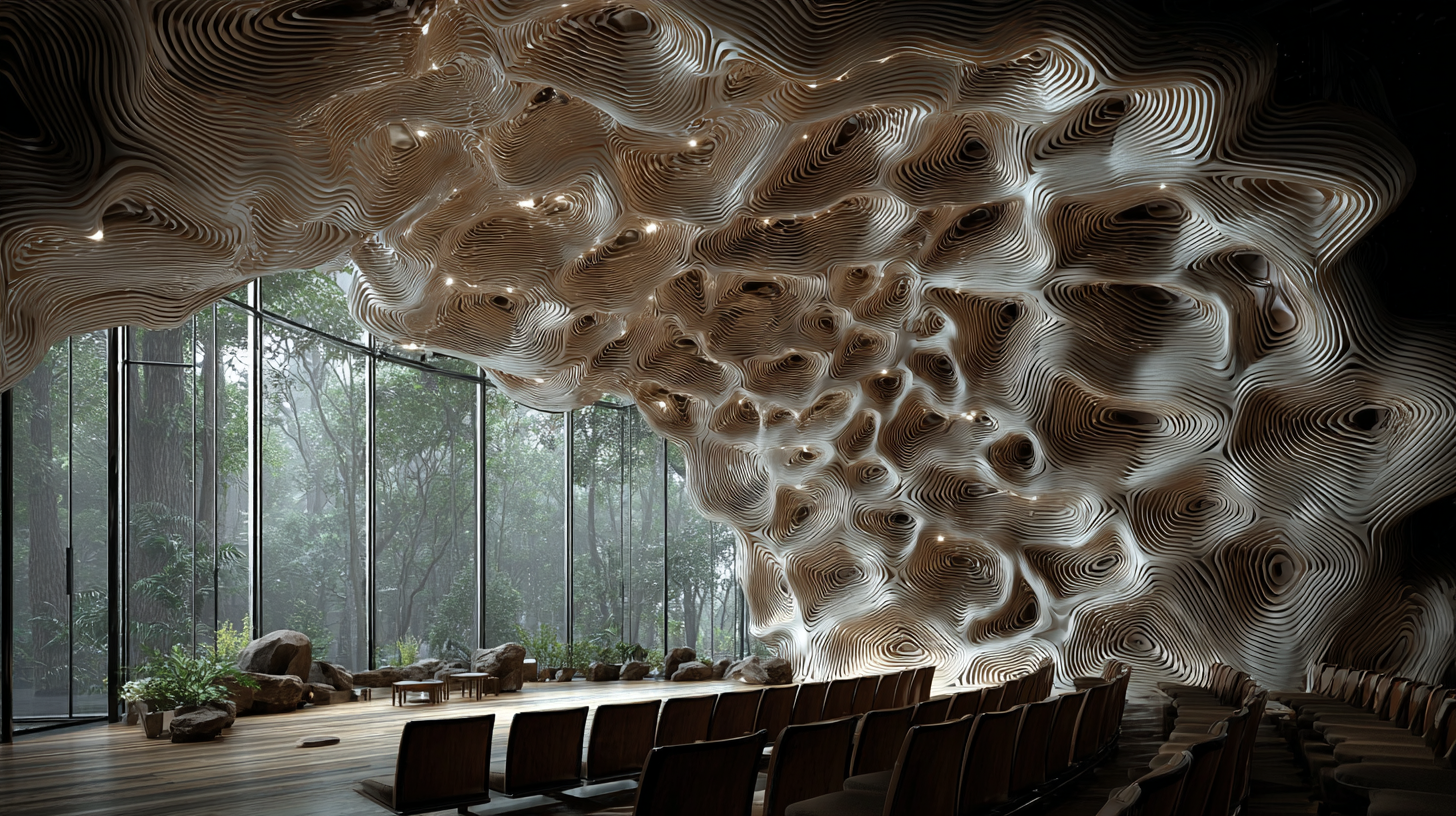
Biomimetic inspiration image: Schizophyllum commune fungus
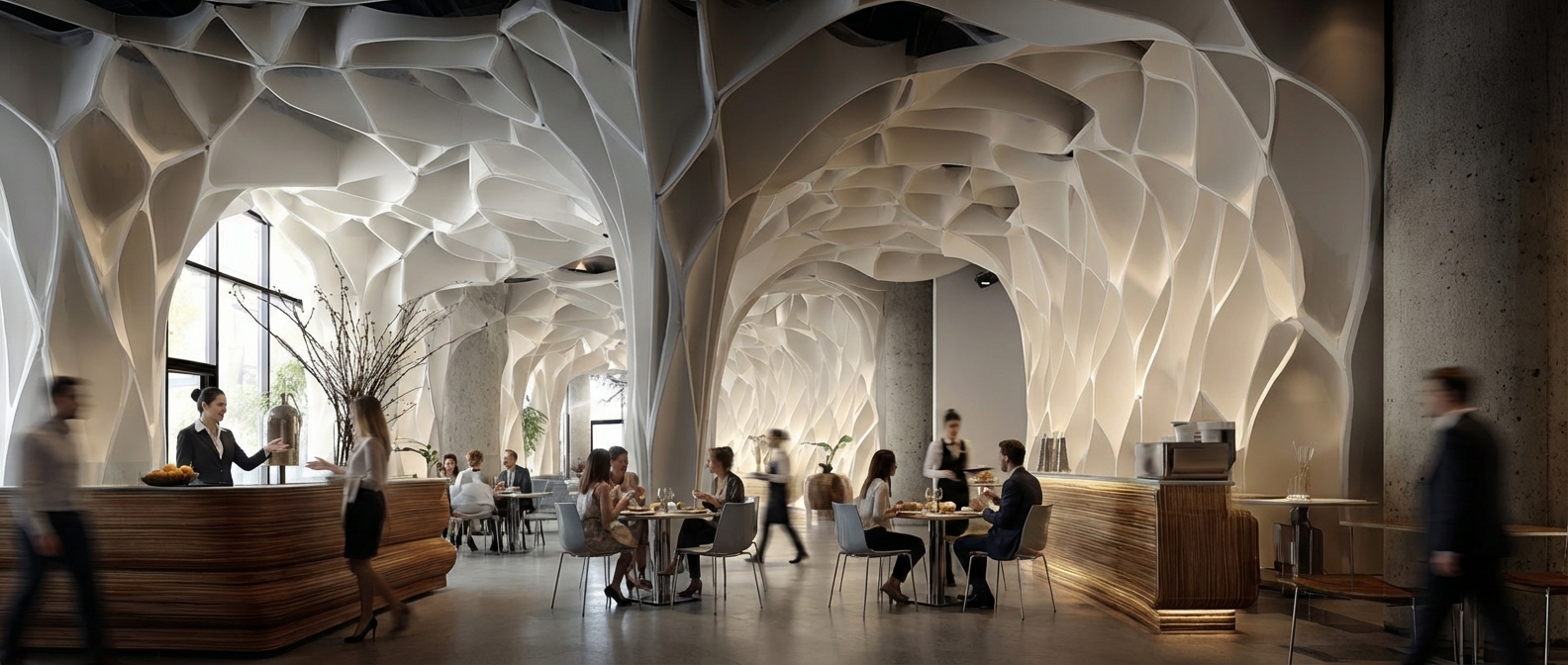
Screenshot: Rapid iteration of biomimetic interior space inspired by the microstructure of fungus.
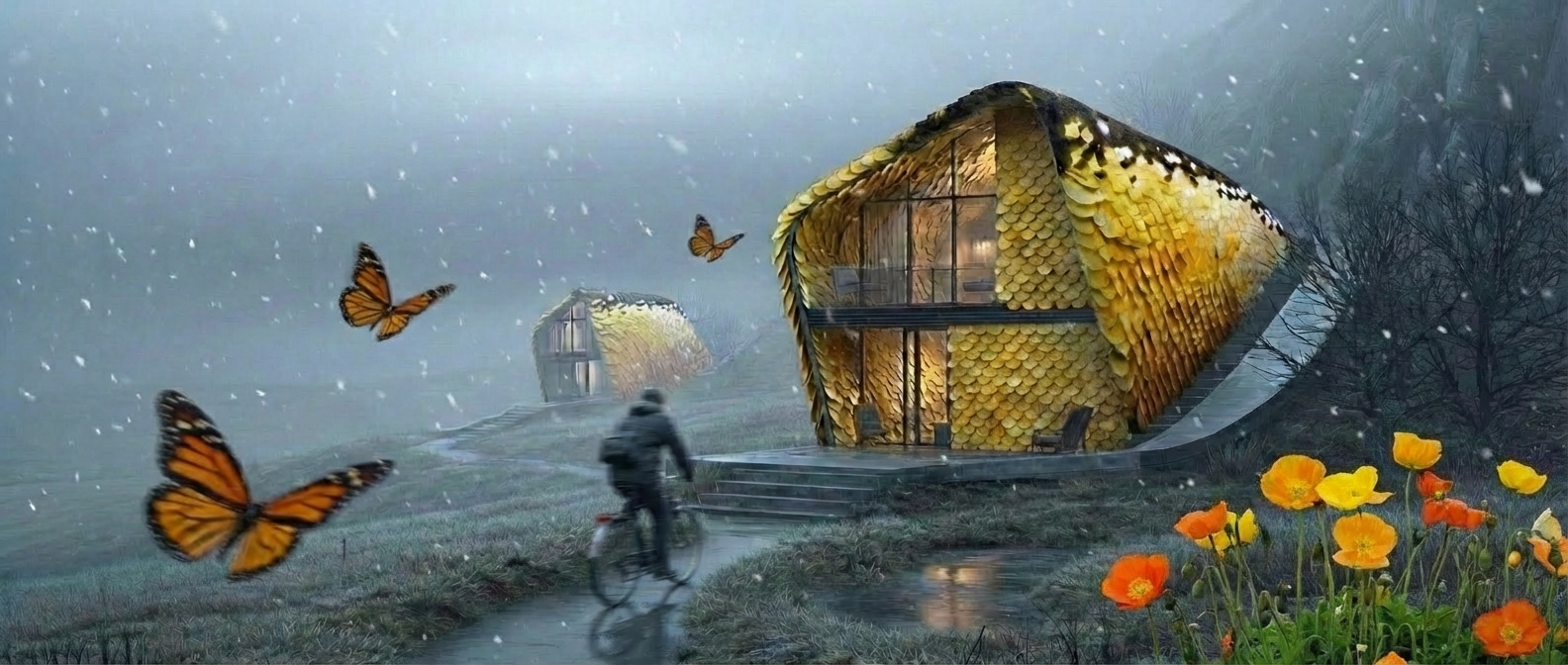
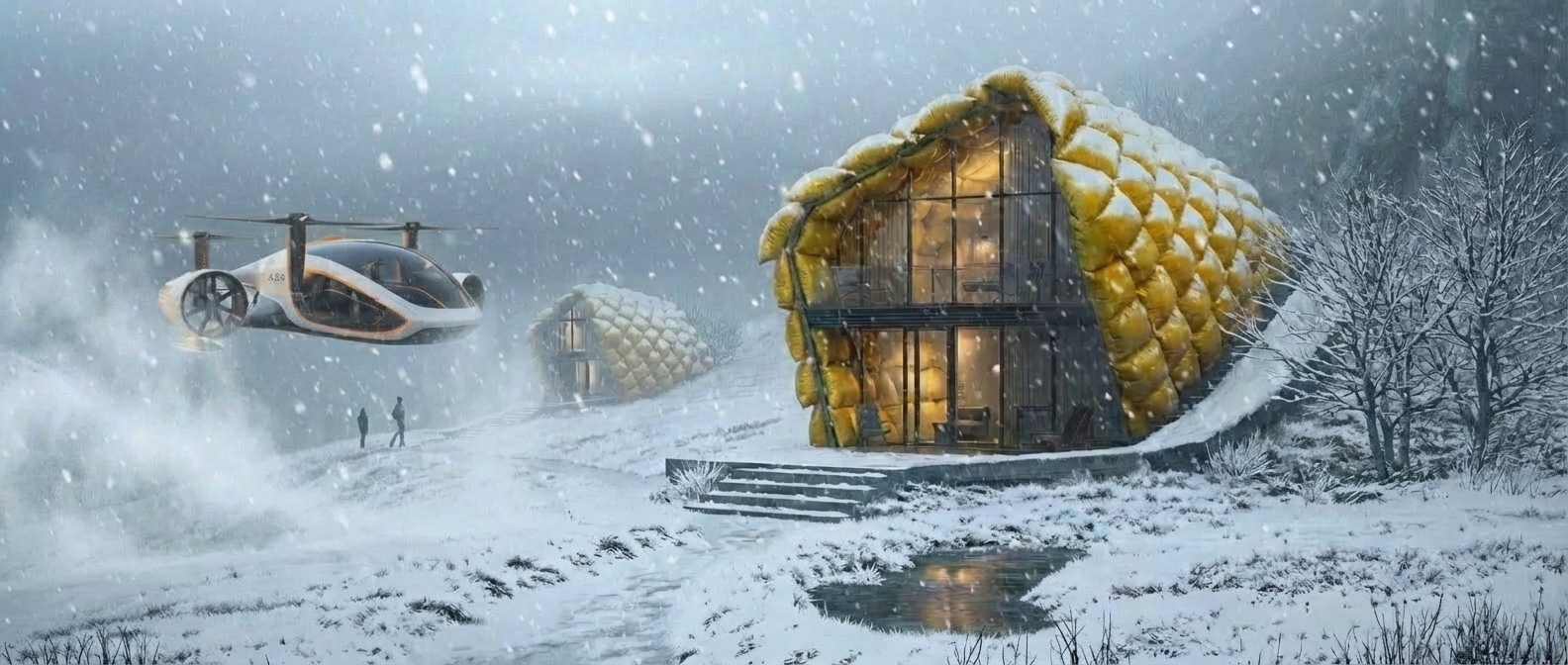
Biomimetic inspiration: the microstructure of a moth’s wing.
AI can generate images, but it cannot experience space. It can produce a thousand compelling visions from a single prompt, yet it cannot understand why one space offers calm while another creates unease, or why light filtered through wood and leaves feels fundamentally different from light reflected off glass and steel. That discernment remains human. We are not surrendering authorship to machines; we are expanding our capacity to imagine, shape, and humanize the world we build. In this new era of imagination, AI may accelerate the vision—but the architect gives it soul.
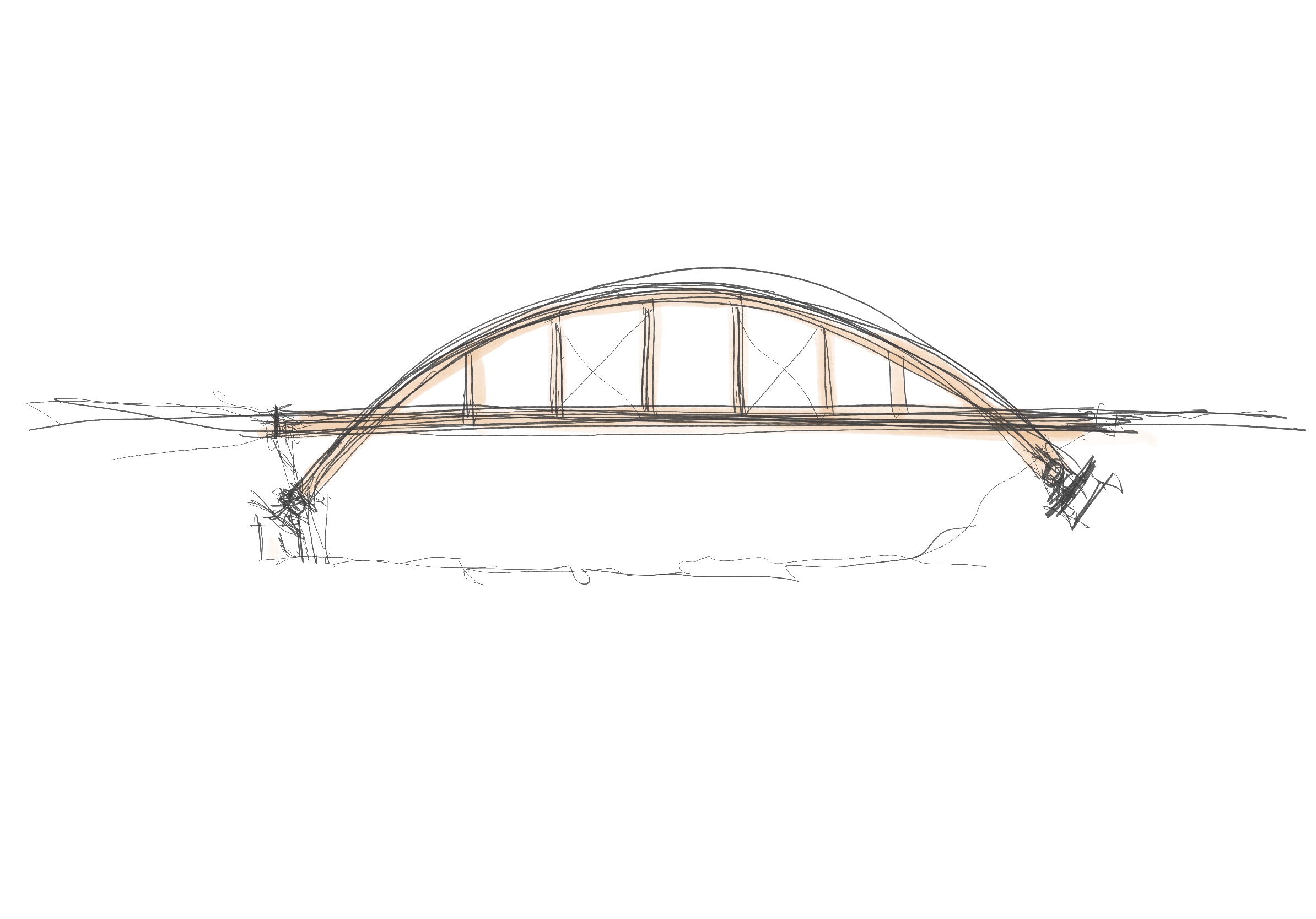
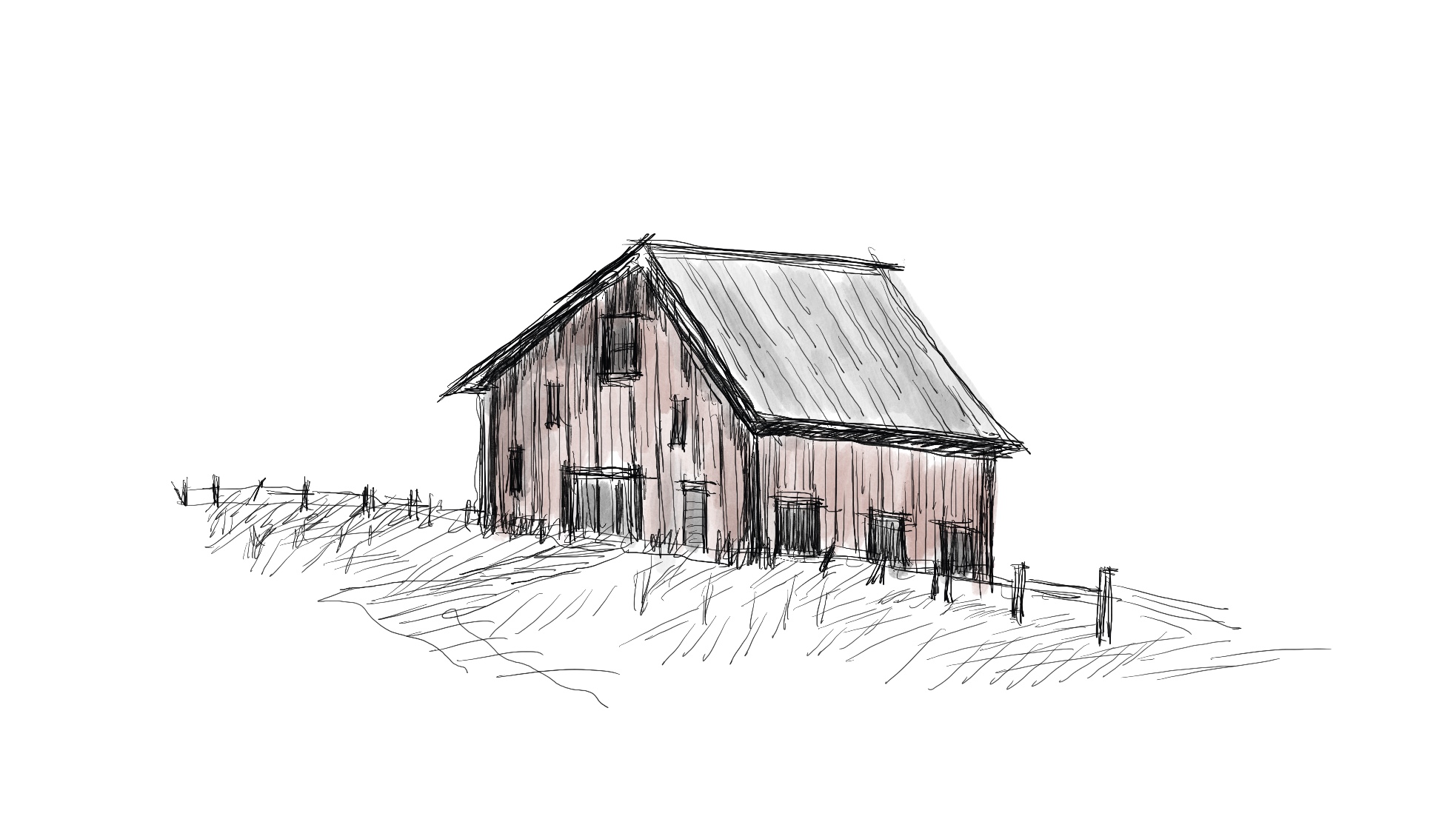
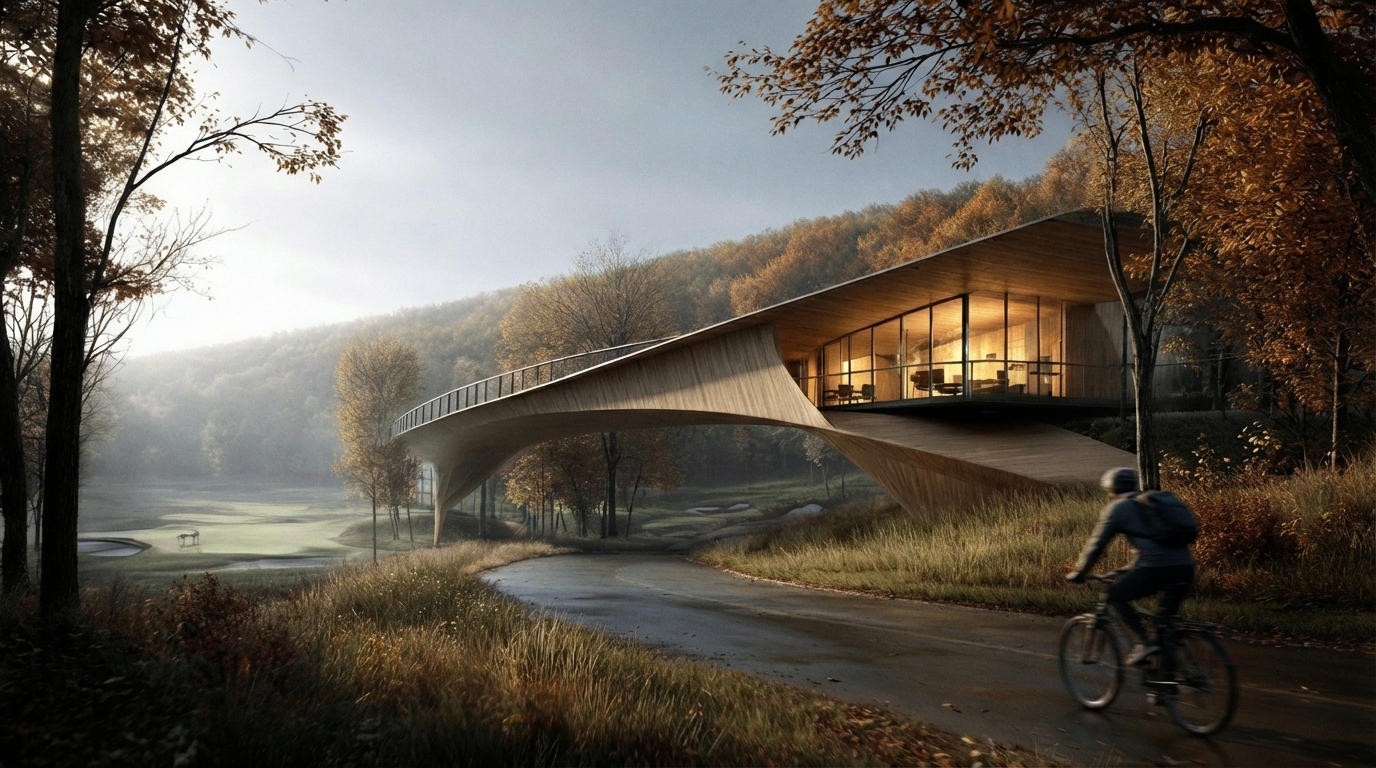
Blending and mutating a farmhouse typology and a timber bridge.
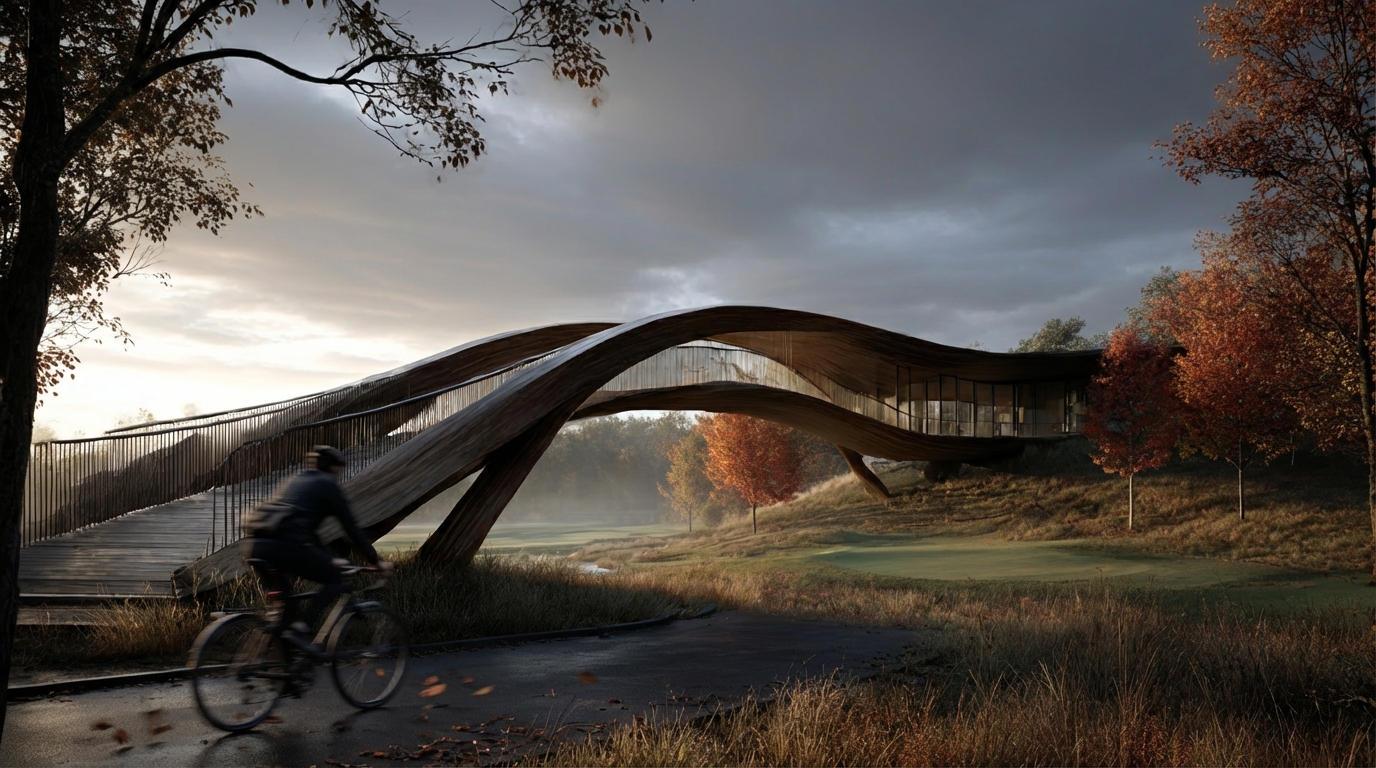
** All images are generated by Sapir Ng with Midjourney & Nano Banana + Kling AI.